After COP30: Will the World Finally Deliver on Climate Action?

By: Jaya Gupta
IST - Tanzania
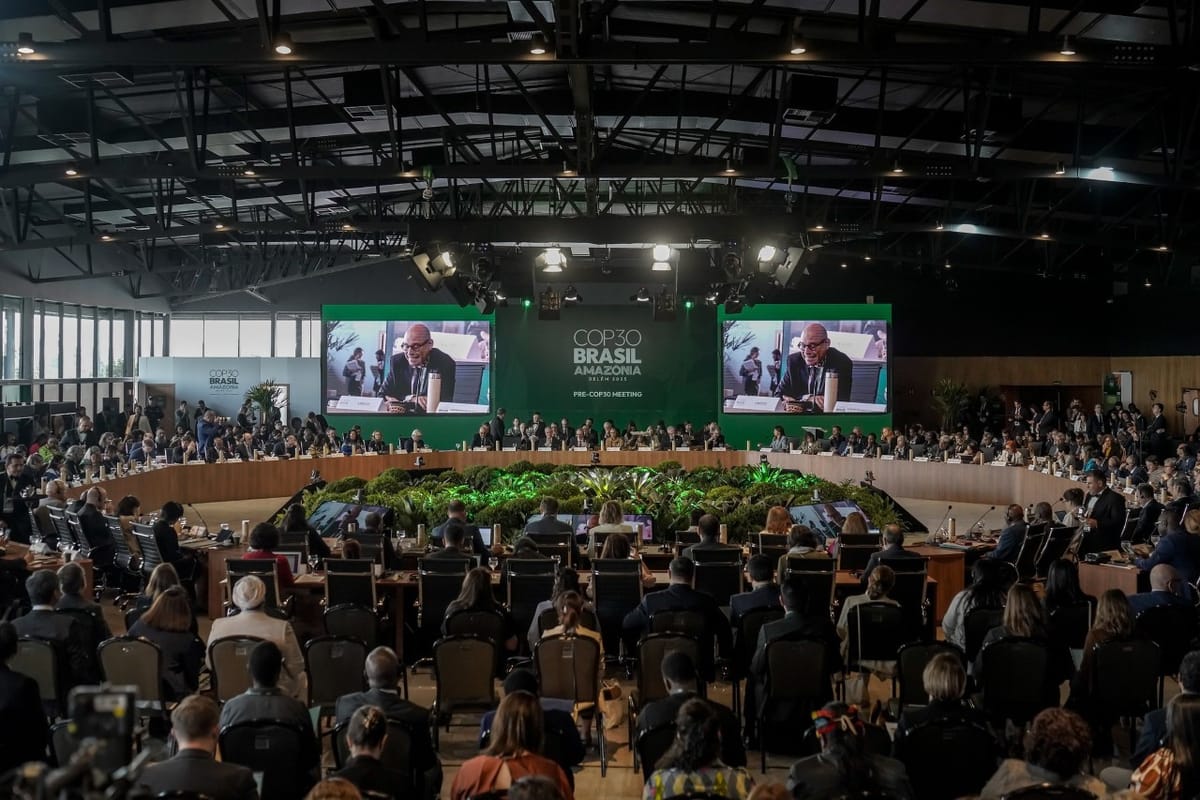
COP30 is the 30th annual UN climate meeting. COP stands for Conference of the Parties, referring to the nearly 200 countries that signed the UN climate agreement in 1992. This year, it took place in Belem, Brazil, starting on the 10th of November and ending on the 21st, and its goal was to focus on how to actually act on existing climate agreements, but it ended with mixed results. There was some progress, but also major disagreements. One event that happened was that 88 countries supported creating a fossil-fuel transition roadmap, which is a bridge between political goals and real-world action, in hopes of phasing out the use of fossil fuels. However, the final decision didn’t include a roadmap to transition away from fossil fuels, and any commitment to reform fossil-fuel subsidies, which many countries had strongly pushed for. Instead, the COP launched the Belém Mission to 1.5°C, a new initiative designed to raise ambition and encourage countries to strengthen their national climate plans ahead of upcoming deadlines. aims to encourage higher ambition in national climate plans.
Trade became a major point of conflict, especially around border carbon adjustments that apply fees on imported goods based on their emissions content, and deforestation-related import rules. Developing countries fear these measures may disadvantage them, but the COP decision is to hold three dialogues on trade and climate cooperation, with a report in 2028. What’s next, you ask? COP 31 will be held in Antalya, Türkiye. Türkiye, the official host, leads the agenda and appoints climate champions. Also, Australia presides over negotiations and hosts a pre-COP meeting in the Pacific. COP 32 will be in Ethiopia, and will be the first ever COP led by a less-developed country. The action taken after COP 30 is that Brazil plans to deliver roadmaps on deforestation and transition away from fossil fuels in the coming year, and President Lula of Brazil raised the fossil-fuel roadmap at the G20 summit. The U.S. boycotted the summit’s climate declaration, raising concerns about declining American leadership. Many countries still need to submit or update their Nationally Determined Contributions (NDCs), which are the core national climate plans required under the Paris Agreement. Global attention is shifting toward whether these plans will become more ambitious and whether governments will follow through on what they promise.
Overall, COP30 showed that while progress is possible, the real test will be whether countries turn these promises into action in the years ahead.The next two COPs, especially COP31, will play a crucial role in determining whether the world can stay on track for the 1.5°C target or risk falling further behind.