Blind Women in India are Getting Trained to Detect Early-Stage Breast Cancer
By: Sarah Hirji
International School of Tanganyika
Dar es Salaam, Tanzania
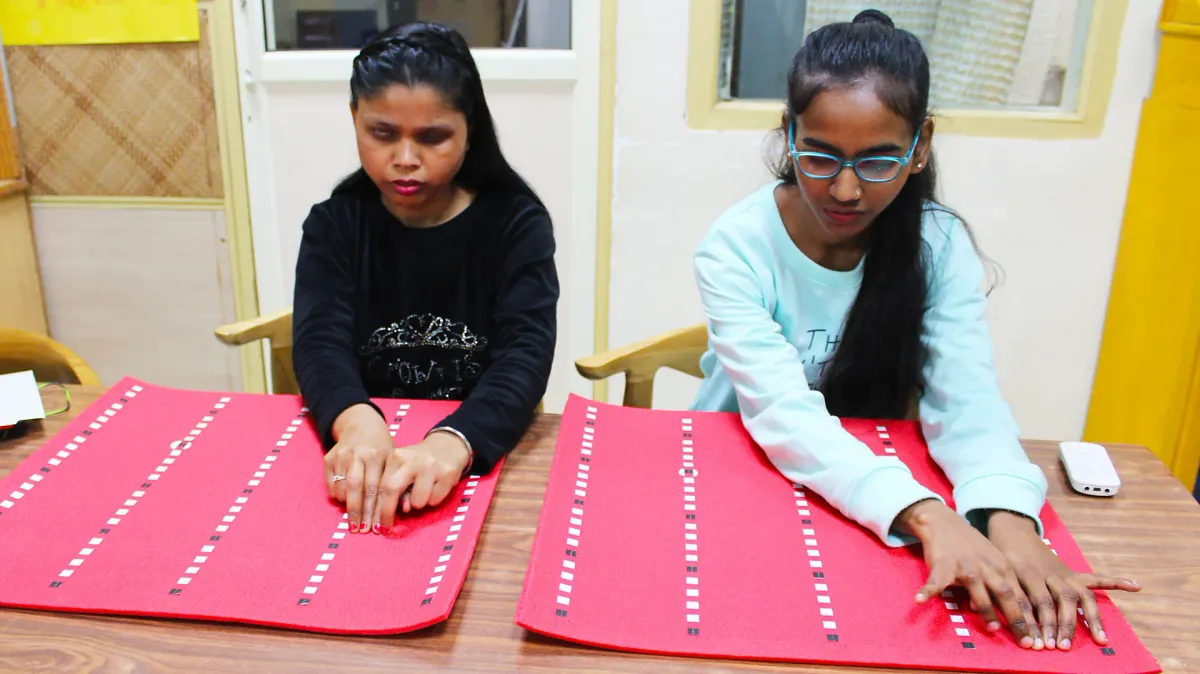
Many women are affected by breast cancer each year, especially in India, where only 1% have attended breast cancer screening programmes. To address this issue, a group of programs in India is working to train blind and visually impaired women to become Medical Tactile Examiners (MTEs).
When you lose a key sense, such as sight, your body allows you to become highly developed in another sense. For these women, it is their sense of touch; to detect early signs of breast cancer through detailed breast examinations. These training groups are usually organized by organizations such as Discovering Hands, originally German but working in India.
Scientific research has demonstrated that blind individuals do develop stronger tactile sensitivity, which means their fingers are extremely sensitive to small bumps or changes in tissue, an indication of early-stage breast cancer.
These blind women go through an intensive training process of 6-9 months, where they learn breast anatomy, medical documentation, patient communication, and recognition of different bumps.
These examinations are longer and more thorough than typical clinical exams. With these practices, Indian women can benefit from detecting lumps much earlier, especially for women who have limited access to doctors, do not have the financial capabilities for advanced imaging, or live in rural areas where these programmes are unavailable. Early detection of breast cancer typically leads to higher survival rates. Additionally, these programs provide significant employment opportunities to blind women, who usually struggle to find jobs in a low-income society. Although this initiative displays promising results, it still lacks more funding and medical partnerships, and recognition across the country.
This initiative demonstrates how inclusive healthcare can improve outcomes and improve the livelihoods of marginalized groups.
What do you think?
Do you think programs like these could be implemented in your country?