EACOP: Economic Promise vs. Environmental Concerns
By: Sarah Hirji
International School of Tanganyika
Dar es Salaam, Tanzania
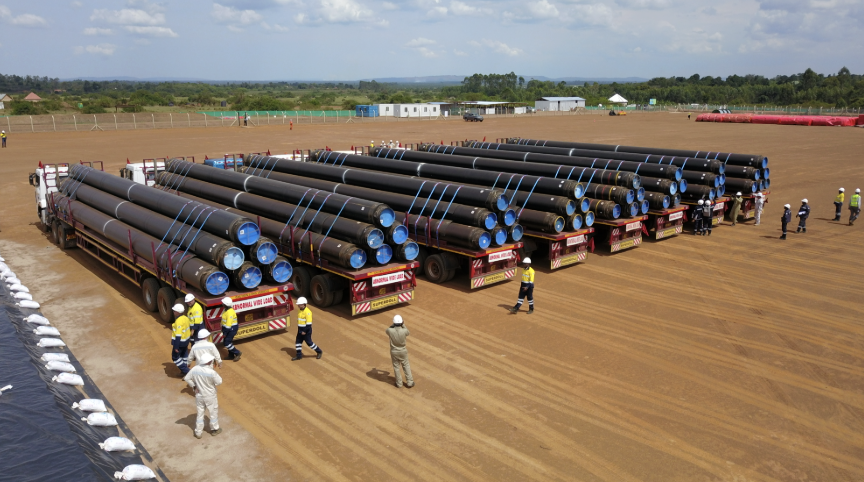
The East African Crude Oil Pipeline (EACOP) is a major infrastructure project designed to transport crude oil from Uganda’s oil fields to the port of Tanga in Tanzania, spanning over 1,400 kilometers. Supporters argue that the pipeline will bring significant economic benefits, including job creation, government revenue, and energy security for the region. However, environmentalists and local communities have raised serious concerns about its potential impact on ecosystems, water sources, and climate change.
Economic Perspective
For Uganda and Tanzania, EACOP represents an opportunity to capitalize on newly discovered oil reserves. The project promises thousands of jobs during construction and operation, as well as increased government revenue through taxes and royalties. Proponents also argue that the pipeline could spur infrastructure development in remote regions, improving roads, schools, and healthcare facilities.
Environmental Risks
Despite these potential benefits, environmentalists warn that EACOP poses significant risks. The pipeline passes through sensitive ecosystems, including wetlands, national parks, and water sources like Lake Victoria and the Nile Basin. Oil spills, leaks, or accidents could have catastrophic consequences for biodiversity, fisheries, and the livelihoods of communities that depend on these resources.
Moreover, EACOP is expected to transport millions of barrels of oil per year, contributing to greenhouse gas emissions and global climate change. Critics argue that investing in fossil fuel infrastructure at a time when the world is shifting toward renewable energy is not sustainable. The risk of deforestation, soil degradation, and disruption of wildlife habitats further complicates the project’s environmental footprint.
Local Communities and Social Impact
Beyond environmental concerns, local communities face displacement and disruptions to their way of life. Land acquisition for the pipeline has led to protests and legal battles, as residents demand fair compensation and safeguards against loss of livelihoods. The project has sparked debates about balancing economic development with social and environmental responsibility.
The Verdict
Whether EACOP is “good” or “bad” for the environment is complex. Economically, it offers short-term benefits for Uganda and Tanzania. Environmentally, it carries serious risks that could have lasting consequences for ecosystems and local communities. Many experts argue that strict regulations, robust monitoring, and contingency planning are essential to minimize environmental damage. Others question whether investing in oil infrastructure aligns with global climate commitments and sustainable development goals.
Ultimately, EACOP is a test case for balancing economic growth and environmental stewardship in East Africa. Its future impact will depend on how governments, companies, and communities navigate the trade-offs between energy, development, and the environment.