Why is sleep important for teenagers?

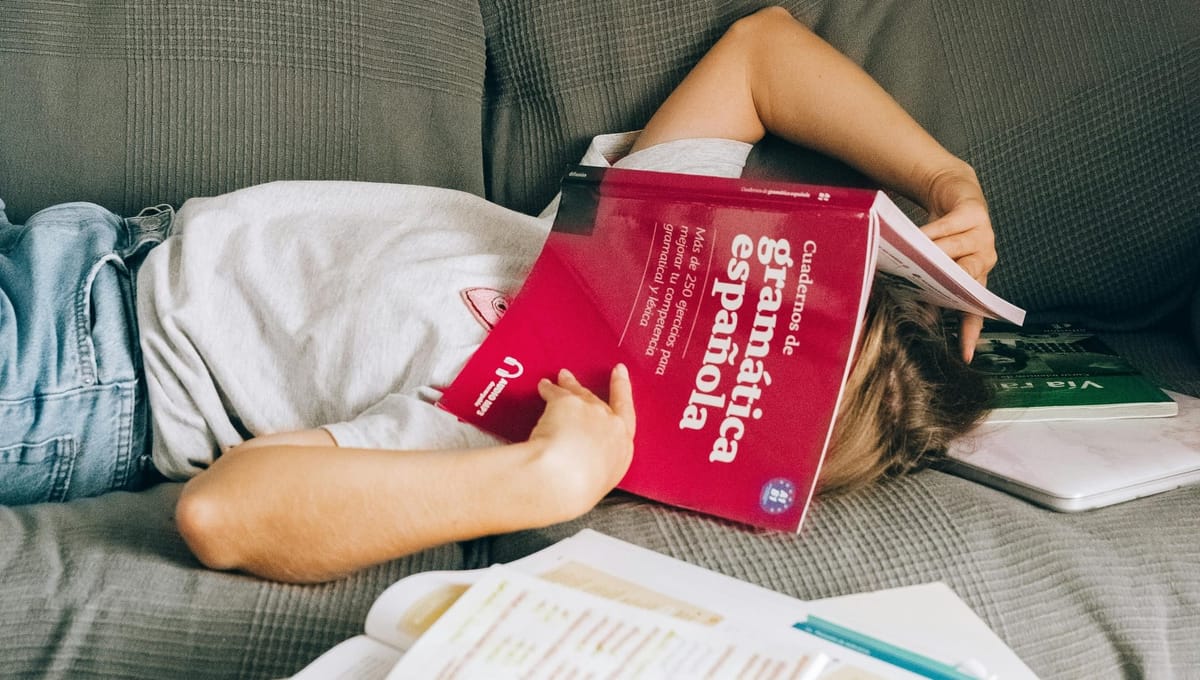
By: Zoya-Fatimah Dewji, IST - Tanzania
My dad has always pushed me to stick to a sleep routine, but I never understood why until now. As we grow, sleep is not just about resting and waking up refreshed; it contributes significantly to our overall well-being. Many important processes depend on how much sleep we get each day, including resetting energy, adapting to changes, regulating emotions, and processing new information. For teenagers, sleep is essential for a healthy life, yet tight schedules and distractions like social media often cause it to be compromised. In fact, ‘up to 40% of teens feel too sleepy most of the time’. (Teens and Sleep, 2008, p. 69). Research shows that sleep is vital for a healthy and balanced lifestyle, significantly influencing physical, cognitive and emotional well-being during this critical stage of development. It helps the body repair and grow, strengthens the brain for better learning and creativity, and stabilizes emotions to manage stress.
Especially during teenage years, sleep supports physical growth while maintaining good health. Teenagers need 9 to 10 hours of sleep; insufficient sleep disrupts the body’s balance and recovery of tissues, harming physical development. (Suni & Dimitriu, 2023). Research shows that teenagers are in the most need of quality sleep as they approach a phase of ‘very fast physical, emotional and intellectual growth’. (Teens and Sleep, 2008, p. 69). While many think lost sleep can be made up later, scientists found it increases risks of illnesses like dementia, obesity, diabetes, and heart diseases. (Dana Foundation, 2020; Schiliber & Han, 2021). Consistent sleep patterns and early sleeping habits ensure good physical health and growth in teenagers.
Sufficient sleep improves learning, memory, and focus, whereas insufficient sleep hurts these abilities. Studies reveal that ‘teens who usually get too little sleep are more likely to struggle in school’. (Teens and Sleep, 2008, p. 69). While sleep prepares the brain for learning by increasing attention and sparking creativity, sleep deprivation impairs cognitive functions like ‘decision making, conflict solving, working memory and learning’. (Suni & Dimitriu, 2023; Contie, 2022, para. 4). Earlier, sleep was thought to only help store memories after learning. However, Matt Walker highlights that sleep also prepares the brain to absorb new knowledge before learning. (TED, 2019). Thus, sleep is like a tool to recharge the brain, ensuring teens are ready to learn and succeed.
Sleep also plays a vital role in emotional well-being by enhancing mental health and regulating emotions. Research shows that sleep deprived children face ‘more mental health and behavioral challenges than those who got sufficient sleep’. (Contie, 2020, para. 4). Inconsistent sleep patterns can hinder emotional growth, leading to struggles with ‘independence, responsibility, and new social relationships’. (Suni & Dimitriu, 2023). Severe sleep deprivation increases the likelihood of ADHD, anxiety, depression, and even suicidal thoughts (Schlieber & Han, 2021, para. 4; Suni & Dimitiu, 2023). Although teens think screen time and socializing late into the night helps them relax, prioritizing sleep is crucial. (Teens and Sleep, 2008, p. 69).
Sleep is a fundamental part of daily routines and a key predictor of adolescent well-being. Proper sleep complements physical development, enhances learning, and supports emotional health. Meanwhile, when sleep is compromised, it disrupts bodily functions, hinders cognitive development and impairs mental wellness. By adopting healthy sleep habits, teenagers can build a strong foundation for a balanced and fulfilling lifestyle.
Bibliography:
Contie, V. (2022, August 30). Children’s sleep linked to brain development. National Institutes of Health (NIH).
Dana Foundation. (2020, November 9). How sleep affects your brain [Video]. YouTube. https://www.youtube.com/watch?v=IzQ2siryQrM
Schlieber, M., & Han, J. (2021). The role of sleep in young children’s development: A
review. The Journal of Genetic Psychology, 182(1), 1–13. https://doi.org/10.1080/00221325.2021.1908218
Suni, E., & Dimitriu, A. (2023, October 4). Teens and sleep. Sleep Foundation. https://www.sleepfoundation.org/teens-and-sleep
TED. (2019, June 3). Sleep is your superpower | Matt Walker | TED [Video]. YouTube. https://www.youtube.com/watch?v=5MuIMqhT8DM
Teens and sleep: Why you need it and how to get enough. (2008). Paediatrics & Child Health, 13(1), 69–72. https://doi.org/10.1093/pch/13.1.69