Youth Voices: Fighting Gender Inequality in East Africa
By: Michelle Mssika, Braeburn International School Arusha, Tanzania
Gender inequality remains one of the most pressing challenges in East Africa. Despite progress in education, health, and legal reforms, women and girls continue to face discrimination in schools, workplaces, and communities. From early marriage and limited access to education to gender-based violence, these inequalities prevent young people, especially girls, from reaching their full potential. However, youth across East Africa are increasingly raising their voices,
advocating for change and leading initiatives that challenge these barriers.
Young people are uniquely positioned to address gender inequality because they experience its effects firsthand and can bring fresh ideas to the table. In East Africa, youth-led organizations and initiatives are creating awareness campaigns, mentoring programs, and advocacy projects to empower girls and educate communities about gender equality. For example, adolescents are using social media platforms to highlight issues like child marriage, teenage pregnancies, and
unequal access to education. These campaigns reach thousands of people, sparking
conversations that were previously taboo and inspiring communities to rethink harmful practices.
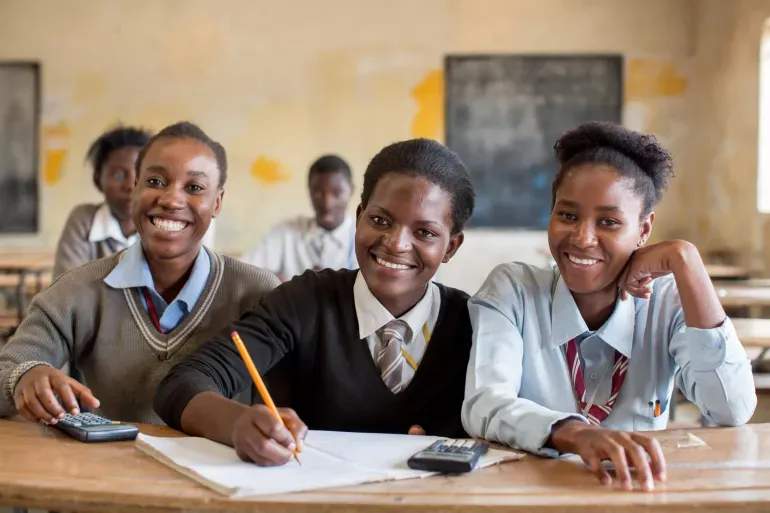
Education is at the center of youth-led efforts against gender inequality. Many young activists advocate for girls’ right to stay in school and access quality education. According to UNICEF, girls who complete secondary school are less likely to be married early and more likely to participate in the workforce and community leadership. Youth programs, clubs, and mentorship
schemes in schools across Tanzania, Kenya, and Uganda help girls build confidence, develop leadership skills, and learn about their rights. By supporting education, young people are not only empowering themselves but also paving the way for future generations.
Youth voices are also critical in tackling gender-based violence and promoting reproductive health. Adolescents are participating in workshops and community outreach programs to educate peers about sexual and reproductive health rights. They discuss topics that were once considered taboo, such as consent, menstruation, and family planning. These conversations help reduce stigma, prevent early pregnancies, and create safer spaces for girls to learn and
grow. Organizations like UNFPA and Plan International actively partner with youth groups, recognizing that young people are key to implementing sustainable solutions in their communities.
Policy advocacy is another area where youth are making an impact. Young leaders are engaging with local governments, NGOs, and regional organizations to influence policies that protect girls’ rights and promote gender equality. By participating in forums, submitting petitions, and joining youth councils, adolescents in East Africa are ensuring that the voices of young
people are heard at decision-making tables. This engagement helps shape laws and policies that address issues like child marriage, gender-based violence, and unequal access to education.
While youth-led initiatives face challenges, including limited funding, cultural resistance, and lack of access to resources, their efforts are making a tangible difference. Young activists are showing that meaningful change is possible when youth are empowered, informed, and supported. Their work demonstrates that youth are not just beneficiaries of policies; they are leaders, innovators, and agents of social transformation.
Gender inequality in East Africa will not be solved overnight, but the energy, creativity, and determination of young people give hope for a more equitable future. By raising awareness, advocating for policy change, supporting education, and creating safe spaces for dialogue, youth across the region are proving that change is possible. Their voices are powerful tools in the fight against gender inequality, and their leadership will shape a generation where every girl and boy has the opportunity to thrive.
Youth-led movements remind us that gender equality is not only a women’s issue—it is a societal challenge that affects everyone. When young people speak up, communities listen, and cultures begin to shift. By supporting and amplifying youth voices, East Africa can move closer to a future where all individuals, regardless of gender, have equal access to education, health,
and opportunities for success.